
Income Generation Ideas to Avoid: Easy to Start, Low Payoff
Explore income generation ideas that are best avoided due to their low payoff despite being easy to start. Learn why these ventures often fail to deliver significant financial rewards despite minimal effort.
Introduction
Not all income generation ideas are created equal. While some opportunities are easy to get started with, they may not offer the financial returns you’re hoping for. These ventures might seem appealing at first due to their low barrier to entry, but they often lead to low payoffs that don’t justify the time and effort involved.
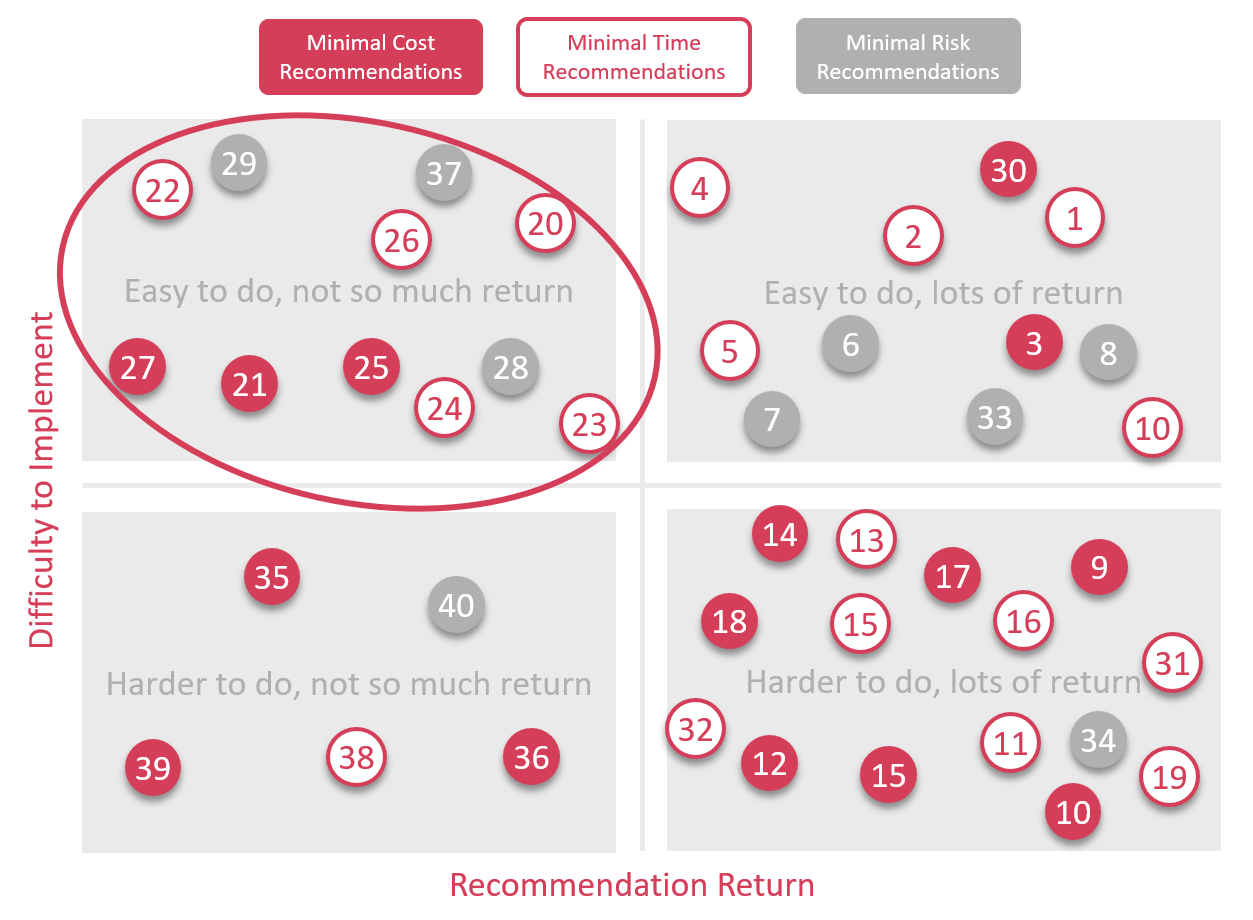
To help you avoid common traps, this blog introduces a simple framework for evaluating income-generating ideas, dividing them into four quadrants: income-generating ideas based on the level of effort and potential return, focusing specifically on the Easy to Start, Low Payoff category. These are ideas that might not require much upfront work or skill, but their returns are usually minimal.
The four quadrants are as follows:
- Easy to Do, Low Return – These ideas are simple to start but typically won’t lead to significant earnings. They’re often best suited as side projects or hobbies rather than serious income generators.
- Hard to Do, Low Return – Ideas that require considerable effort but don’t yield meaningful rewards. These should be avoided unless they carry qualitative benefits.
- Easy to Do, High Return – Rare opportunities that offer significant returns with minimal effort, time or risk. Although hard to find, these can be worth exploring if you stumble upon them.
- Hard to Do, High Return – Ventures that demand a significant investment of time or money but promise high returns if successful.
Income Accelerator Magic Quandrant
Income Generating Ideas
This blog focuses on ideas in the Easy to Start, Low Payoff category. While these income sources may seem appealing because they’re quick to set up, they often don’t deliver substantial financial gains. Some examples include:
- Affiliate Marketing: Earning small commissions by promoting others' products or services through referral links. While simple to join, it can be hard to make substantial income unless you have a large audience.
- Stock Photos: Licensing your photos on platforms that pay per download. The returns are usually low unless you have a large portfolio of highly sought-after images.
- Spare Room Rentals: Renting out a room in your home on platforms like Airbnb. While it’s easy to list a room, the earnings may not be worth the inconvenience of having strangers in your home.
- Shopping Rewards: Earning cashback or rewards points from online shopping through certain apps or credit cards. This can provide a minor benefit, but it’s not a reliable income source.
- Unused Space Rentals: Renting out storage space or other unused areas you own. The income is typically modest, and demand may be inconsistent.
- Audiobook Narration: Recording audiobook narrations and earning royalties. While it sounds appealing, it’s highly competitive, and the royalties are often minimal unless the book is popular.
- Vending Machines: Owning and operating vending machines to generate passive income through sales. While the barriers to entry may be low, the returns are usually modest, and there’s ongoing maintenance to consider.
- Spreadsheet Templates: Selling pre-made spreadsheet templates for business, finance, or personal use is made easy through websites such as gumroad, however sales can be slow and earnings typically low.
- High-Yield Savings Accounts: Earning interest by keeping money in a high-interest bank account. This is low-risk but also offers minimal returns, especially in a low-interest-rate environment.
- Parking Space Rentals: Renting out parking spaces in high-demand areas. While this can be easy if you already have the space, the income is generally limited and may not justify the hassle.
Conclusion
While we've labeled these ideas as easy to execute but often lacking in financial payoff, that doesn’t mean they’re universally unprofitable. If you possess unique skills, resources, or “unfair advantages” that increase the likelihood of success, then some of these paths might indeed be worth the effort. Ultimately, the decision comes down to your personal strengths and circumstances.